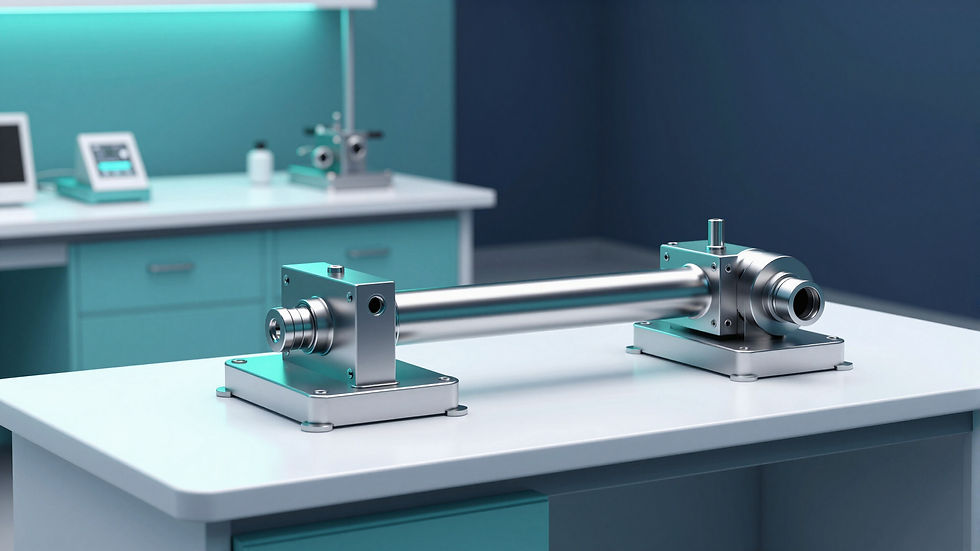
Four Bar Mechanism
Demonstrates the fundamental kinematic principles of link motion and inversions. Students study path generation, function generation, and motion characteristics essential for mechanical linkage design.
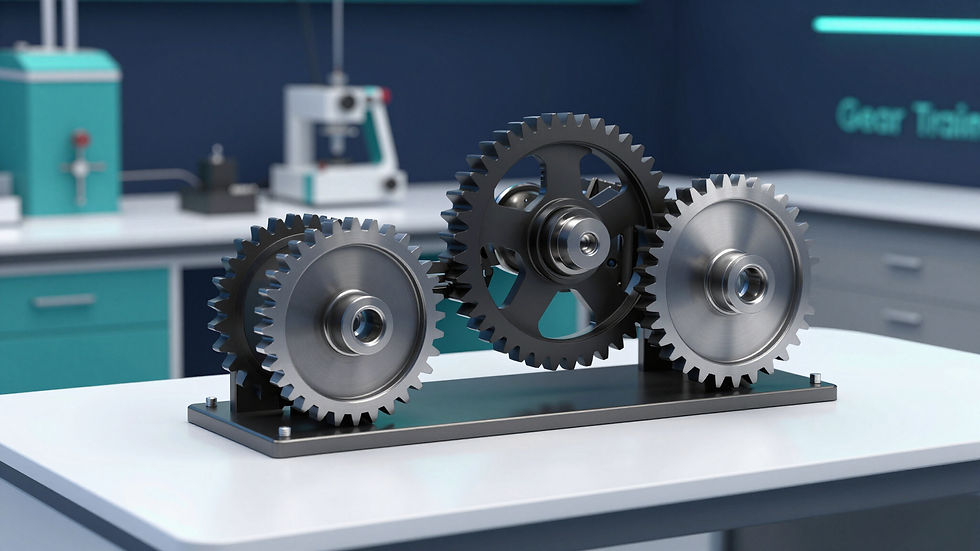
Gear Train Study
Analyzes velocity ratios and torque transmission in simple, compound, and reverted gear trains. It provides hands-on experience with mechanical advantage and power transmission efficiency.
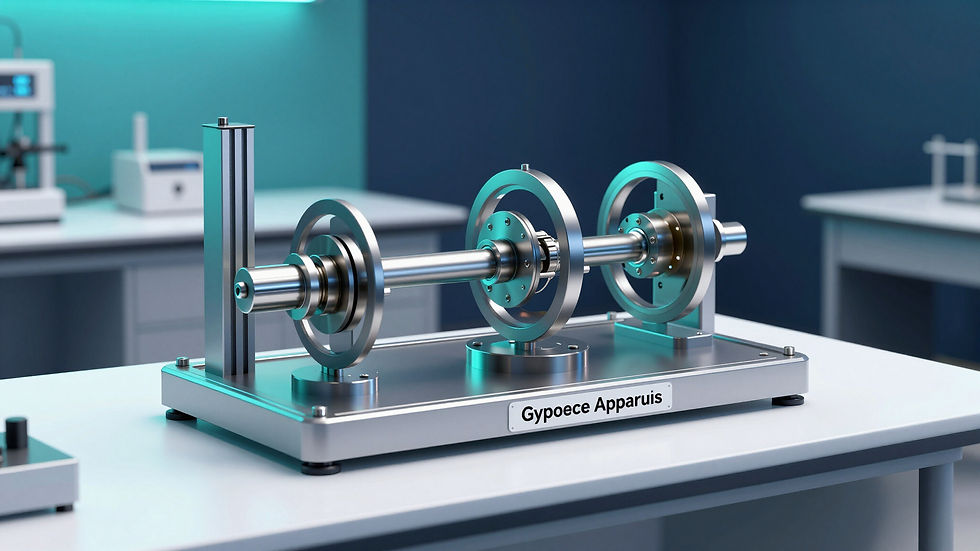
Gyroscope Apparatus
Demonstrates gyroscopic couple and precession effects on a motorized spinning disc. This experiment is vital for understanding the stability of aircraft, ships, and precision navigational instruments.
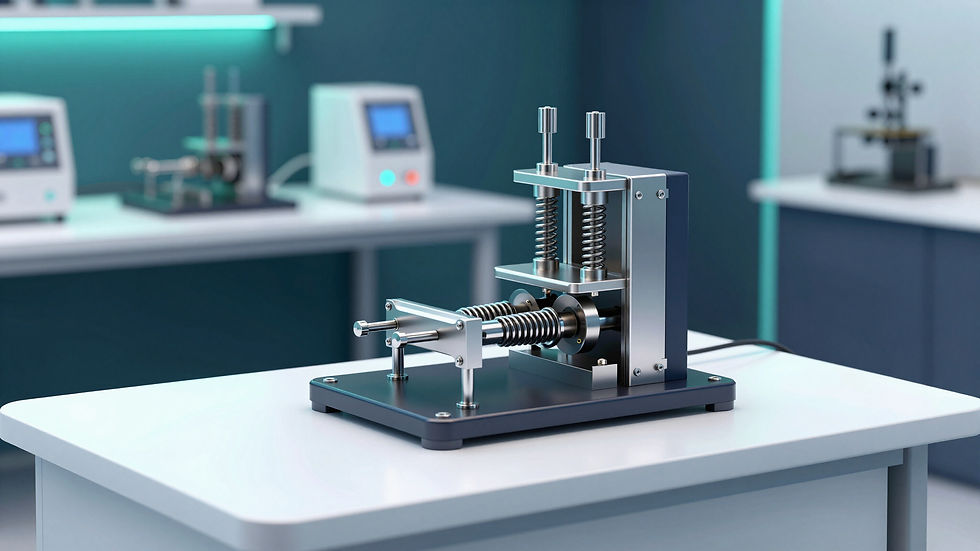
Universal Vibration Apparatus
A versatile platform for studying longitudinal, transverse, and torsional vibrations. It allows for the determination of natural frequencies and the observation of resonance in elastic systems.
Theory of Machines Lab
Mechanisms and experimental rigs for kinematics, dynamics, and vibration analysis of machine elements.
→ ALL LABS
12 EXPERIMENTS
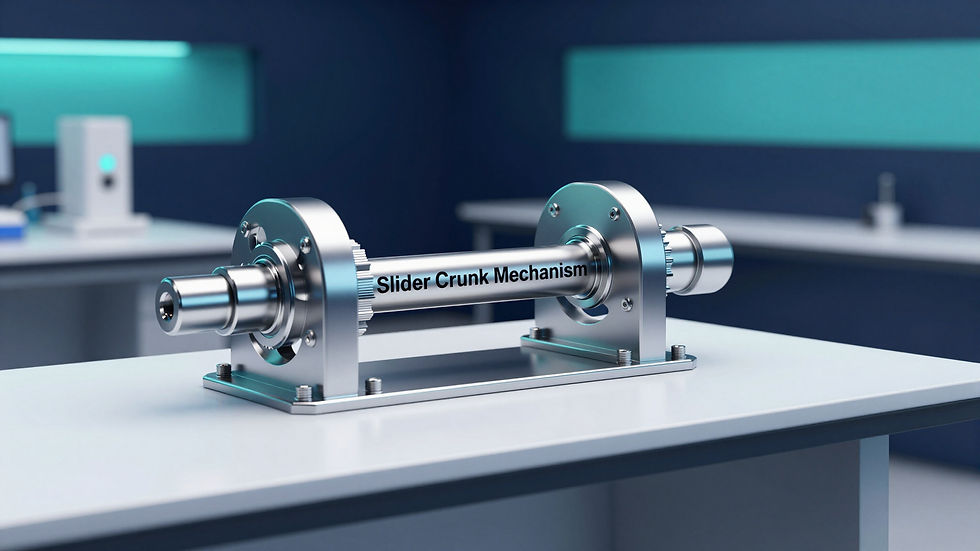
Slider Crank Mechanism
Illustrates the conversion of rotary motion into reciprocating motion, a core concept in internal combustion engines. Analytical and experimental methods are used to determine piston velocity and acceleration.
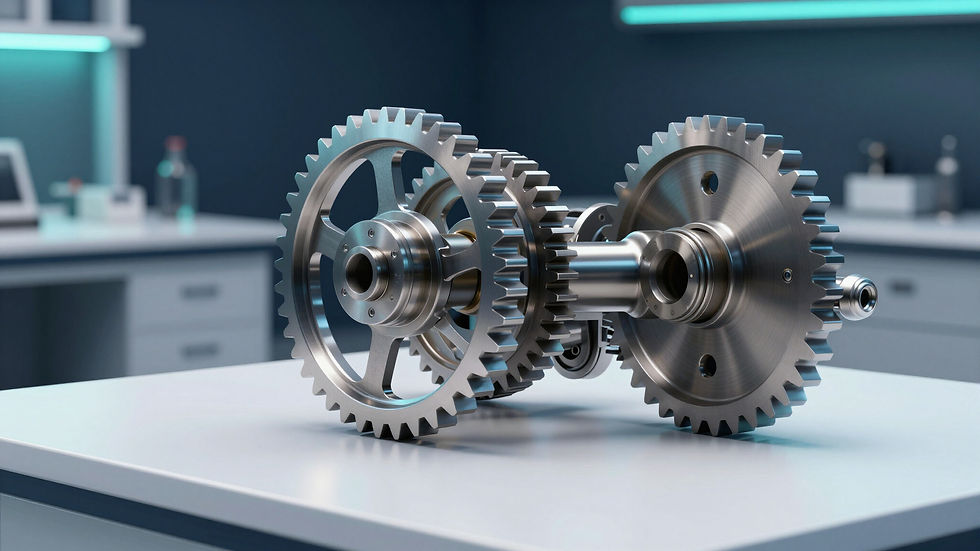
Epicyclic Gear Train
Features a sun and planet arrangement to demonstrate complex differential motion. Used to calculate torque distribution and speed variations in automotive transmissions and industrial gearboxes.
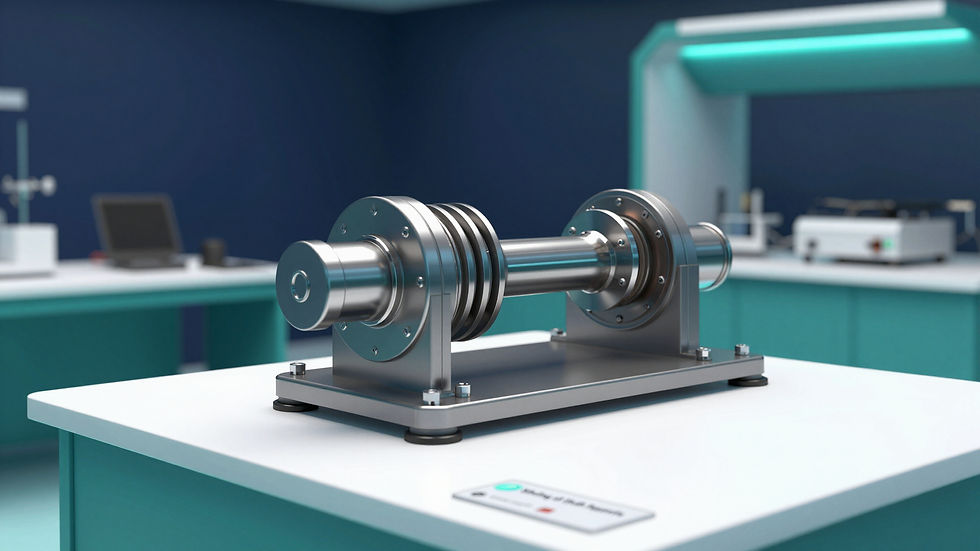
Whirling of Shaft Apparatus
Studies critical speeds and vibration modes of rotating shafts under different boundary conditions. It is essential for preventing structural failure in high-speed turbines and rotors.
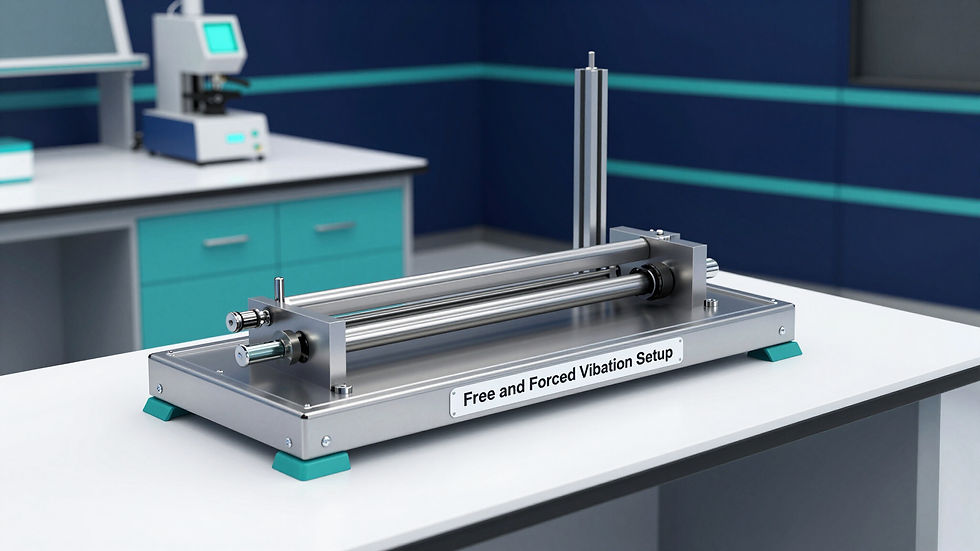
Free and Forced Vibration Setup
Examines the damping effects and response of systems under external periodic forces. This setup demonstrates how amplitude and phase angle vary with frequency near the resonance zone.
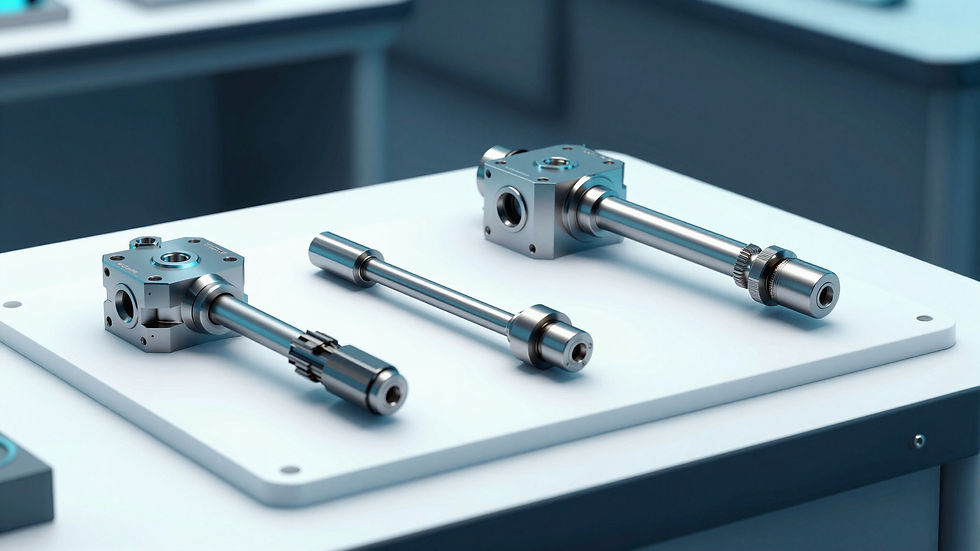
Cam and Follower
Explores the profiles and displacement characteristics of various cam-follower systems. This setup is crucial for understanding valve timing mechanisms and automated machinery synchronization.
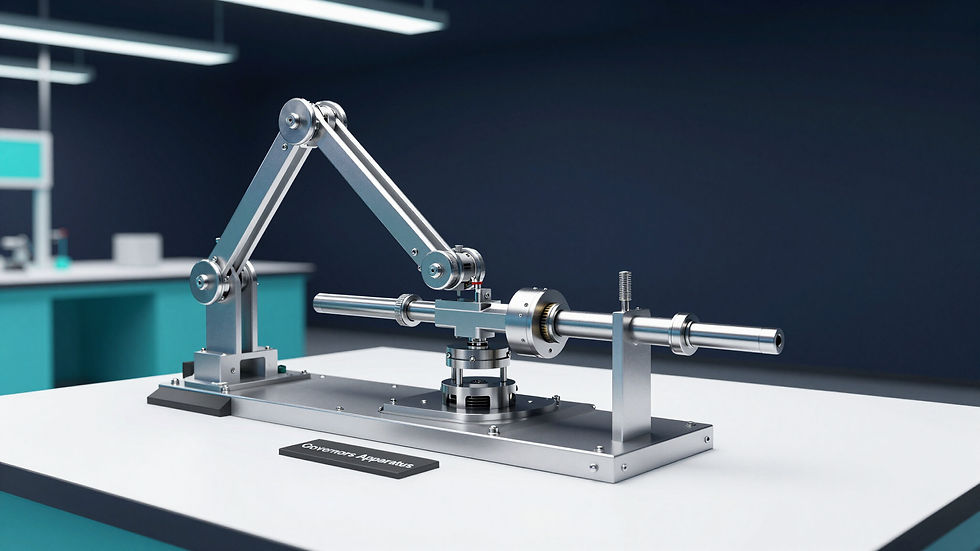
Governors Apparatus
Investigates the centrifugal force and sensitivity of Watt, Porter, and Proell governors. Students learn how these devices regulate engine speed by controlling fuel supply based on load variations.
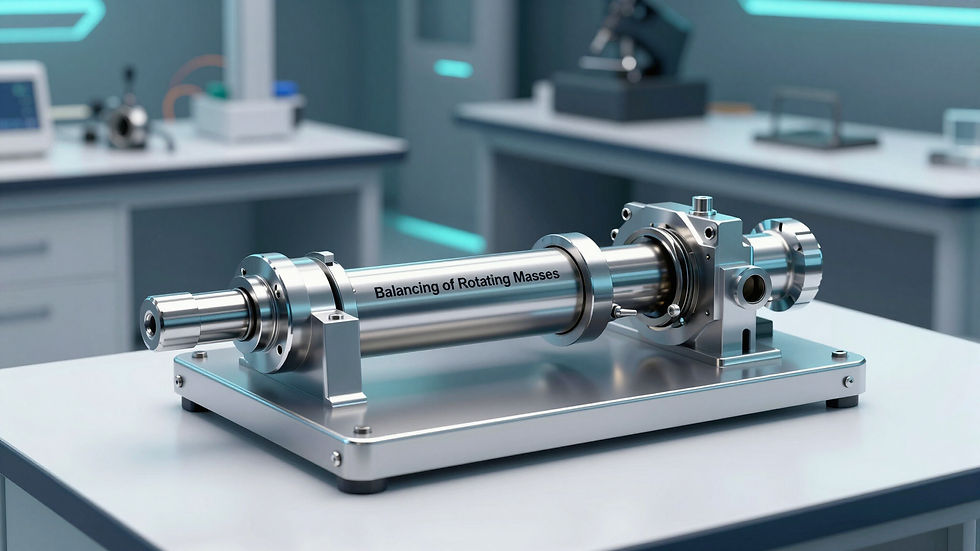
Balancing of Rotating Masses
Focuses on static and dynamic balancing of multiple masses on a single shaft. Students learn to eliminate centrifugal forces and couples that cause noise and wear in rotating machinery.
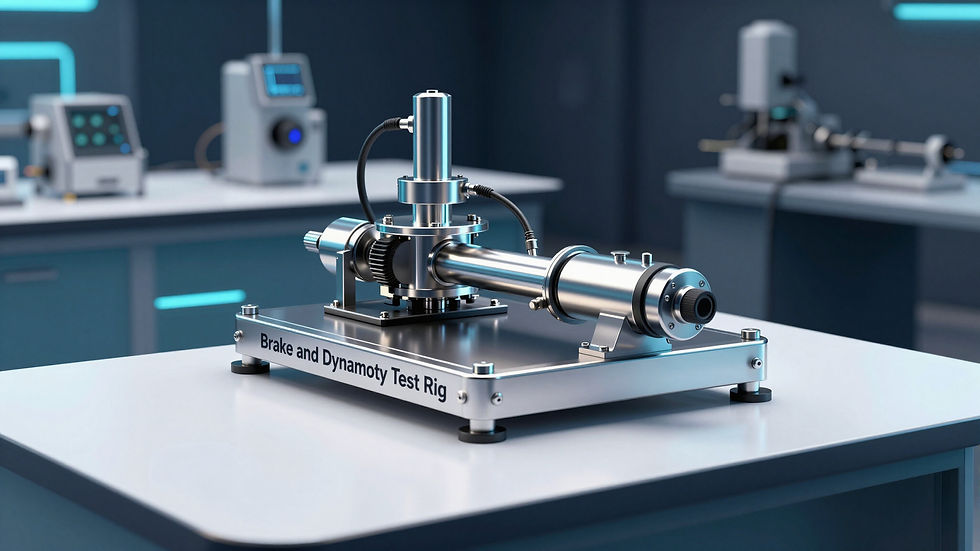
Brake and Dynamometer Test Rig
Measures the power output and mechanical efficiency of prime movers using absorption techniques. It integrates concepts of friction, torque, and energy dissipation in braking systems.